Introduction
Financial markets move every day in response to economic events, corporate earnings, government policies, and global developments. For traders and investors, understanding market news and analysis is just as important as knowing how to buy or sell an asset. A single news headline can influence stock prices, currency exchange rates, commodity values, and even cryptocurrency markets within minutes.
However, successful investors don’t react emotionally to every headline. Instead, they analyze news carefully, understand its potential impact, and make informed decisions based on both data and long-term strategy.
This comprehensive guide explains how market news affects financial markets, where to find reliable information, how to analyze economic reports, and how investors can use news to make smarter investment decisions.
What Is Market News?
Market news refers to financial information and events that influence the prices of stocks, bonds, commodities, currencies, cryptocurrencies, and other financial assets.
Market news includes:
- Economic reports
- Corporate earnings
- Interest rate decisions
- Inflation data
- Government policies
- Global political events
- Natural disasters
- Industry developments
Professional investors monitor market news daily to understand changing market conditions.
Why Market News Matters
Financial markets react quickly to new information.
Positive news often causes prices to rise, while negative news can trigger selling pressure.
Examples include:
- Strong company earnings may increase stock prices.
- Rising inflation may impact bond and stock markets.
- Central bank interest rate changes often affect currencies.
- Major geopolitical events can increase market volatility.
Understanding these relationships helps investors make better decisions.
Types of Market News
Economic News
Governments regularly publish economic reports that influence financial markets.
Important reports include:
- Gross Domestic Product (GDP)
- Inflation (Consumer Price Index)
- Employment reports
- Retail sales
- Manufacturing data
- Consumer confidence
These indicators provide insight into the overall health of an economy.
Corporate News
Public companies regularly announce important business updates.
Examples include:
- Quarterly earnings reports
- Revenue growth
- Dividend announcements
- New product launches
- Mergers and acquisitions
- Leadership changes
Corporate news directly affects company stock prices.
Central Bank Announcements
Central banks influence financial markets through monetary policy.
Important decisions include:
- Interest rate changes
- Inflation targets
- Economic outlook
- Quantitative easing programs
Major central banks include:
- U.S. Federal Reserve
- European Central Bank
- Bank of England
- Bank of Japan
Their decisions often move global markets.
Global Events
International developments can also influence markets.
Examples:
- Elections
- Trade agreements
- Military conflicts
- Natural disasters
- Supply chain disruptions
- Global health emergencies
Investors monitor these events because they may create uncertainty or opportunity.
Understanding Market Analysis
Market analysis helps investors evaluate opportunities before making investment decisions.
There are three primary approaches.
Fundamental Analysis
Fundamental analysis focuses on the financial strength of companies and the overall economy.
Investors evaluate:
- Revenue
- Profit growth
- Debt levels
- Cash flow
- Earnings per share
- Industry position
- Management quality
The goal is to determine whether an asset is undervalued or overvalued.
Technical Analysis
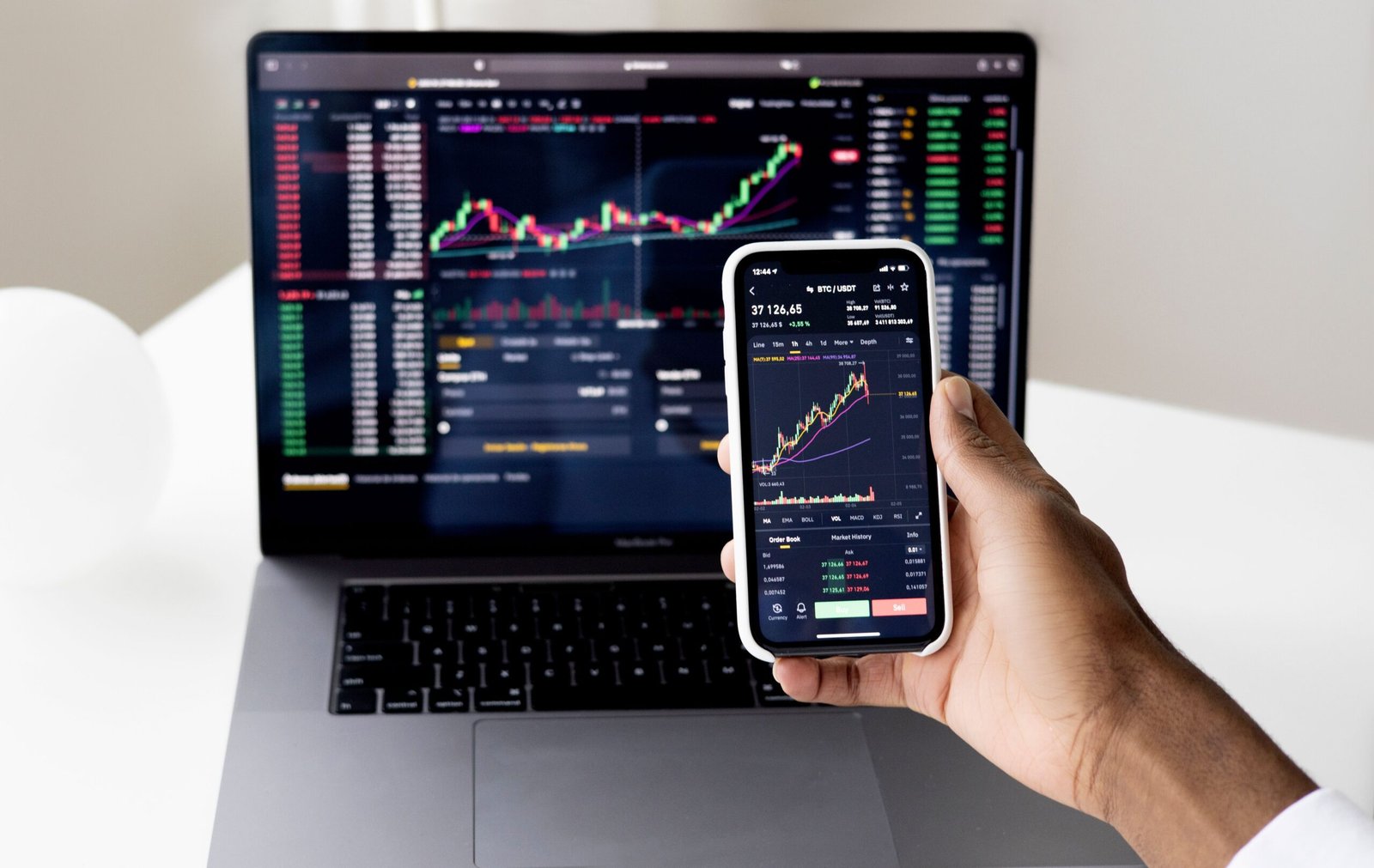
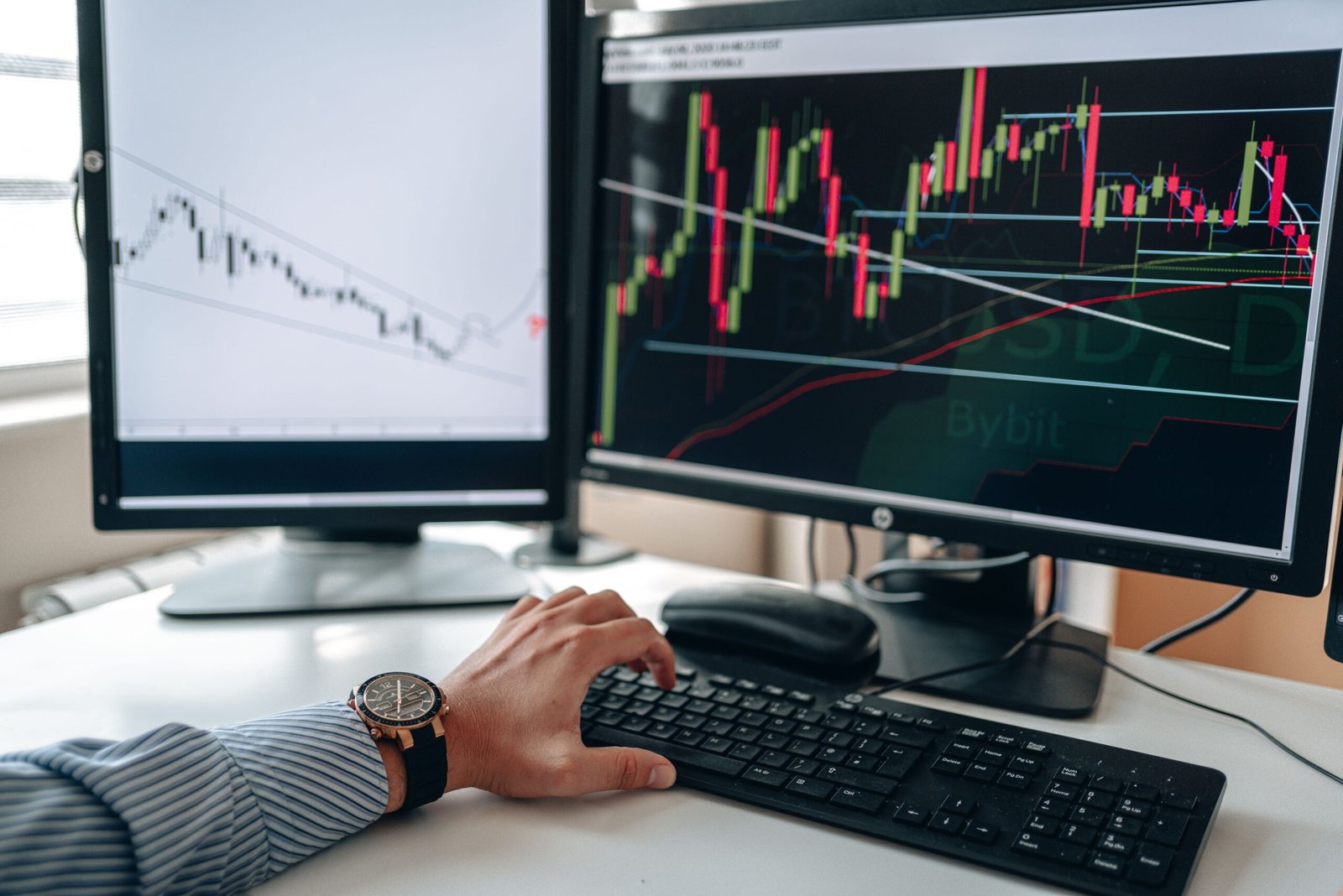
Technical analysis studies price charts and trading volume.
Popular indicators include:
- Moving Averages
- RSI
- MACD
- Bollinger Bands
- Fibonacci Retracement
- Support and Resistance
Technical traders focus on identifying trends and price patterns rather than company financial statements.
Sentiment Analysis
Investor sentiment measures how optimistic or pessimistic market participants are.
Sentiment is influenced by:
- News headlines
- Social media discussions
- Investor surveys
- Market volatility
- Trading volume
Extreme optimism or fear can sometimes signal potential market reversals.
Important Economic Indicators
Professional investors closely monitor several key indicators.
Gross Domestic Product (GDP)
GDP measures the total value of goods and services produced within a country.
Strong GDP growth often supports higher stock prices.
Inflation
Inflation measures rising prices across the economy.
Moderate inflation is generally healthy.
Very high inflation may reduce consumer spending and corporate profits.
Interest Rates
Higher interest rates can:
- Increase borrowing costs
- Slow economic growth
- Pressure stock prices
- Strengthen a country’s currency
Lower interest rates often encourage borrowing and investment.
Employment Reports
Employment data reflects labor market strength.
Low unemployment generally indicates a healthy economy.
Strong employment reports often support consumer spending.
Earnings Season
Public companies release financial results every quarter.
Investors focus on:
- Revenue
- Net income
- Earnings per share (EPS)
- Future guidance
- Profit margins
Even profitable companies can experience falling share prices if results fail to meet market expectations.
How News Affects Different Markets
Stock Market
Positive earnings and economic growth usually support higher stock prices.
Negative economic news often causes increased volatility.
Forex Market
Currency values react strongly to:
- Interest rates
- Inflation
- Employment reports
- Central bank statements
Forex traders closely monitor economic calendars.
Commodity Market
Commodity prices are influenced by:
- Supply and demand
- Weather conditions
- Geopolitical tensions
- Global economic activity
Oil and gold are among the most actively traded commodities.
Cryptocurrency Market
Crypto markets react to:
- Government regulations
- Institutional adoption
- Blockchain developments
- Security incidents
- Investor sentiment
Because cryptocurrencies trade 24/7, news can affect prices at any time.
Avoiding Emotional Trading
Many investors lose money because they react emotionally to breaking news.
Common emotional mistakes include:
- Panic selling
- Fear of Missing Out (FOMO)
- Buying after large price increases
- Ignoring long-term investment plans
Successful investors remain disciplined and base decisions on research rather than emotions.
Building a Market News Routine
Developing a consistent routine helps investors stay informed without becoming overwhelmed.
Daily habits may include:
- Reviewing major financial headlines
- Checking economic calendars
- Monitoring portfolio performance
- Reading company announcements
- Watching for major policy decisions
A structured routine supports better decision-making over time.
Common Mistakes When Reading Market News
Avoid these frequent errors:
- Trusting unverified rumors
- Reacting to every headline
- Ignoring broader market trends
- Following social media hype without research
- Overlooking long-term fundamentals
Reliable information and patience are essential for successful investing.
Final Thoughts
Market news and analysis play a vital role in successful investing and trading. Understanding how economic reports, corporate earnings, interest rate decisions, and global events influence financial markets enables investors to make more informed and confident decisions. Rather than reacting emotionally to every headline, successful market participants combine reliable news with fundamental analysis, technical analysis, and disciplined risk management.